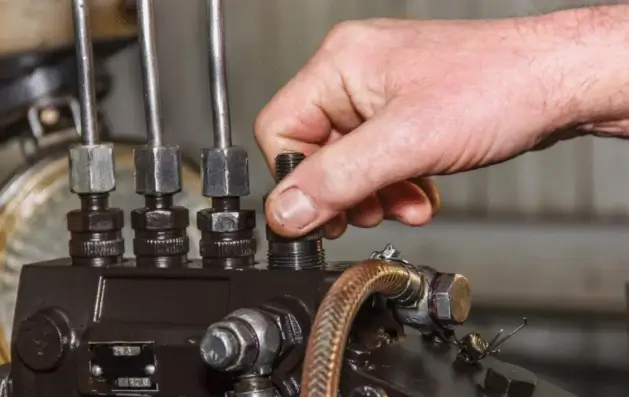
In modern power generation and industrial operations, turbines are expected to deliver consistent performance, high efficiency, and strict emissions compliance. Whether in gas-fired power plants, combined-cycle facilities, or industrial cogeneration systems, even small inefficiencies can lead to significant financial and environmental consequences. One often overlooked yet critically important component in this equation is the fuel nozzle.
Fuel nozzles play a central role in the combustion process, directly influencing how fuel is delivered, atomized, and mixed with air. When these components are not properly maintained, the entire system can suffer—from reduced efficiency and increased fuel consumption to higher emissions and unplanned downtime. This is why fuel nozzle maintenance is not just a routine task but a strategic necessity for plant managers aiming to optimize performance and meet regulatory standards.
Understanding the Role of Fuel Nozzles in Turbine Performance
Fuel nozzles are designed to deliver fuel into the combustion chamber in a precise and controlled manner. Their primary function is to atomize the fuel into fine droplets and ensure an even distribution for efficient combustion. Proper atomization is essential because it allows the fuel to mix thoroughly with air, creating a stable and complete combustion process.
When fuel nozzles are functioning optimally, turbines can achieve:
- Higher thermal efficiency
- Stable flame characteristics
- Lower fuel consumption
- Reduced formation of harmful emissions
However, this delicate balance can quickly be disrupted when maintenance is neglected. Even minor irregularities in fuel flow or spray patterns can lead to incomplete combustion, which negatively impacts both performance and environmental compliance.
The Hidden Risks of Neglecting Fuel Nozzle Maintenance
Over time, fuel nozzles are exposed to extreme temperatures, high pressures, and varying fuel qualities. These harsh operating conditions make them susceptible to several common issues, including clogging, carbon buildup, and wear.
1. Clogging and Restricted Fuel Flow
Clogging occurs when contaminants, debris, or degraded fuel residues accumulate within the nozzle passages. This restricts fuel flow and disrupts the intended spray pattern.
Impact on operations:
- Uneven fuel distribution
- Reduced combustion efficiency
- Increased strain on turbine components
Clogged nozzles often force the turbine to compensate by increasing fuel input, which leads to higher operating costs and reduced efficiency.
2. Carbon Buildup and Deposits
Carbon deposits form as a result of incomplete combustion or poor fuel quality. These deposits accumulate on the nozzle tip and internal surfaces, altering the geometry of the nozzle over time.
Consequences include:
- Distorted spray patterns
- Hot spots within the combustion chamber
- Increased risk of component damage
Carbon buildup is particularly problematic because it tends to worsen gradually, making it difficult to detect without regular inspection.
3. Uneven Combustion and Flame Instability
When fuel nozzles fail to deliver a consistent and uniform spray, the combustion process becomes unstable. This can result in uneven flame distribution, leading to localized overheating and inefficient fuel usage.
Operational risks:
- Combustion dynamics issues
- Increased vibration and wear
- Potential turbine trips or shutdowns
Uneven combustion not only affects performance but also contributes to higher emissions of pollutants such as nitrogen oxides (NOx) and carbon monoxide (CO).
How Fuel Nozzle Maintenance Improves Turbine Efficiency
Consistent fuel nozzle maintenance ensures that nozzles operate within their designed parameters, enabling turbines to maintain optimal efficiency.
Restoring Proper Atomization
Regular cleaning and inspection remove deposits and contaminants that interfere with atomization. This restores the nozzle’s ability to produce fine fuel droplets, improving air-fuel mixing and combustion efficiency.
Ensuring Balanced Fuel Distribution
Maintenance processes such as flow testing and calibration ensure that each nozzle delivers the correct amount of fuel. Balanced fuel distribution prevents over-firing or under-firing in specific areas of the combustion chamber.
Reducing Fuel Consumption
Efficient combustion means more energy is extracted from the same amount of fuel. This directly translates into lower fuel consumption and reduced operating costs—an important factor for large-scale power generation facilities.
Preventing Secondary Damage
Well-maintained nozzles reduce the likelihood of hot spots and thermal stress, protecting other critical turbine components such as combustors and transition pieces. This helps extend the overall lifespan of the system.
See also: Advertise Your Business Effectively to Build Visibility and Long-Term Growth
The Link Between Fuel Nozzle Maintenance and Emissions Control
In today’s regulatory environment, emissions control is a top priority for plant operators. Governments and environmental agencies enforce strict limits on pollutants such as NOx, CO, and unburned hydrocarbons. Fuel nozzles play a direct role in determining emission levels.
Lowering NOx Emissions
NOx formation is highly sensitive to combustion temperature and uniformity. Poorly maintained nozzles can create hot spots, which significantly increase NOx production. Proper maintenance ensures even combustion, helping to keep NOx levels within permissible limits.
Reducing Carbon Monoxide (CO)
Incomplete combustion due to clogged or damaged nozzles leads to higher CO emissions. By maintaining proper fuel-air mixing, operators can achieve more complete combustion and lower CO output.
Minimizing Unburned Hydrocarbons
Fuel that is not fully combusted escapes as unburned hydrocarbons, contributing to environmental pollution and wasted energy. Clean and calibrated nozzles help ensure that fuel is fully utilized.
Supporting Sustainability Goals
Effective fuel nozzle maintenance aligns with broader sustainability initiatives by:
- Improving energy efficiency
- Reducing greenhouse gas emissions
- Lowering the overall environmental footprint of operations
For companies committed to ESG (Environmental, Social, and Governance) goals, maintenance practices are a key component of sustainable operations.
Key Components of an Effective Fuel Nozzle Maintenance Program
A proactive maintenance strategy goes beyond simple cleaning. It involves a structured approach that ensures consistent performance and early detection of issues.
1. Routine Inspection
Regular visual and dimensional inspections help identify wear, corrosion, and deposit buildup before they become critical problems.
2. Ultrasonic Cleaning
Advanced cleaning techniques such as ultrasonic cleaning effectively remove carbon deposits and contaminants without damaging the nozzle structure.
3. Flow Testing and Calibration
Flow testing verifies that each nozzle meets design specifications. Calibration ensures uniform fuel delivery across all nozzles.
4. Non-Destructive Testing (NDT)
NDT methods such as dye penetrant inspection and borescope analysis help detect cracks or internal defects that may not be visible externally.
5. Repair and Reconditioning
Instead of replacing nozzles, many issues can be resolved through repair and reconditioning processes, restoring them to near-original performance levels.
Cost Benefits of Preventive Maintenance
While some operators may view maintenance as an added expense, the reality is that fuel nozzle maintenance delivers substantial cost savings over time.
Reduced Unplanned Downtime
Unexpected turbine outages can be extremely costly. Preventive maintenance minimizes the risk of sudden failures and ensures reliable operation.
Lower Repair and Replacement Costs
Addressing minor issues early prevents them from escalating into major problems that require expensive repairs or component replacement.
Improved Operational Efficiency
Higher efficiency means less fuel is required to generate the same amount of power, resulting in significant cost savings, especially in large-scale operations.
Extended Equipment Life
Maintaining fuel nozzles reduces stress on the entire turbine system, extending the lifespan of critical components and delaying capital expenditures.
Best Practices for Plant Managers
To maximize the benefits of fuel nozzle maintenance, plant managers should adopt a strategic and data-driven approach.
- Implement Scheduled Maintenance Intervals: Base maintenance frequency on operating conditions, fuel quality, and OEM recommendations.
- Use Advanced Diagnostics: Incorporate tools such as combustion monitoring and performance analytics to detect early signs of inefficiency.
- Partner with Expert Service Providers: Specialized repair and maintenance services offer advanced capabilities and technical expertise.
- Maintain Detailed Records: Tracking maintenance history helps identify recurring issues and optimize future maintenance strategies.
- Train Operational Staff: Ensure that personnel understand the importance of nozzle performance and can identify early warning signs.
The Future of Fuel Nozzle Maintenance
As turbine technology evolves, so do maintenance practices. Digital monitoring systems, predictive analytics, and advanced materials are transforming how fuel nozzles are maintained.
Emerging trends include:
- Predictive maintenance using real-time data
- Advanced coatings to reduce carbon buildup
- Automated inspection technologies
- Integration with smart plant systems
These innovations are making it easier for operators to maintain peak performance while minimizing manual intervention.
Conclusion
Fuel nozzles may be small components within a turbine system, but their impact on performance and emissions is substantial. Neglecting their maintenance can lead to a cascade of issues, including reduced efficiency, higher fuel costs, increased emissions, and potential equipment failure.
By prioritizing fuel nozzle maintenance, plant managers can ensure consistent combustion, optimize turbine efficiency, and meet stringent environmental regulations. More importantly, a proactive maintenance approach supports long-term cost savings and sustainability goals—two factors that are increasingly critical in today’s energy landscape.
In an industry where performance, reliability, and compliance are non-negotiable, maintaining fuel nozzles is not just good practice—it is essential for success.