The integration of AI in education is reshaping traditional learning paradigms. By personalizing experiences, it addresses the unique needs of each student. Moreover, it streamlines administrative duties, freeing educators to focus on pedagogy. Interactive tools further elevate student engagement, promoting collaboration. However, this shift is not without its complexities. Ethical considerations and data privacy issues loom large. What implications do these challenges hold for the future of educational innovation?
The Role of AI in Personalizing Learning Experiences
As educators increasingly seek to enhance student engagement and outcomes, the integration of artificial intelligence (AI) emerges as a transformative solution for personalizing learning experiences.
AI facilitates adaptive assessments that tailor challenges to each learner’s abilities, fostering a deeper understanding.
Additionally, the provision of individualized feedback empowers students to take charge of their educational journeys, cultivating autonomy and inspiring lifelong learning.
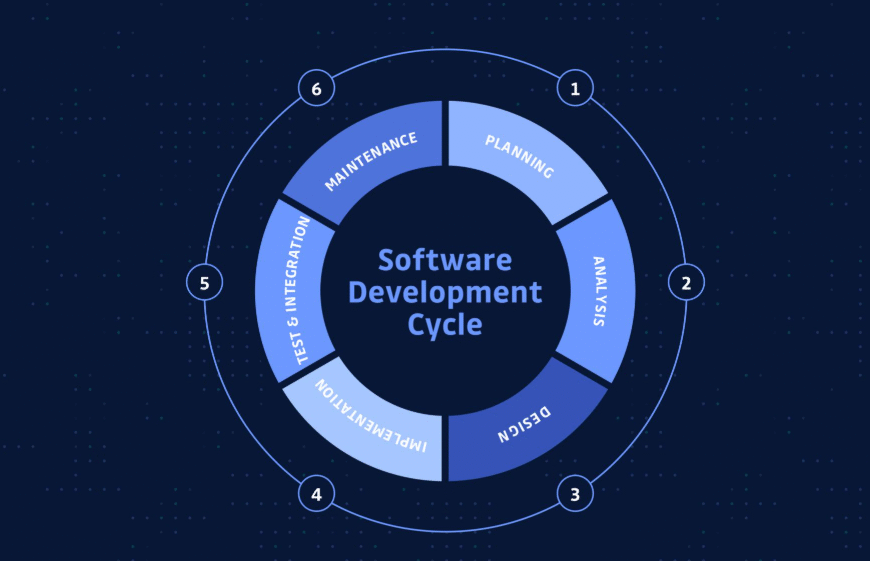
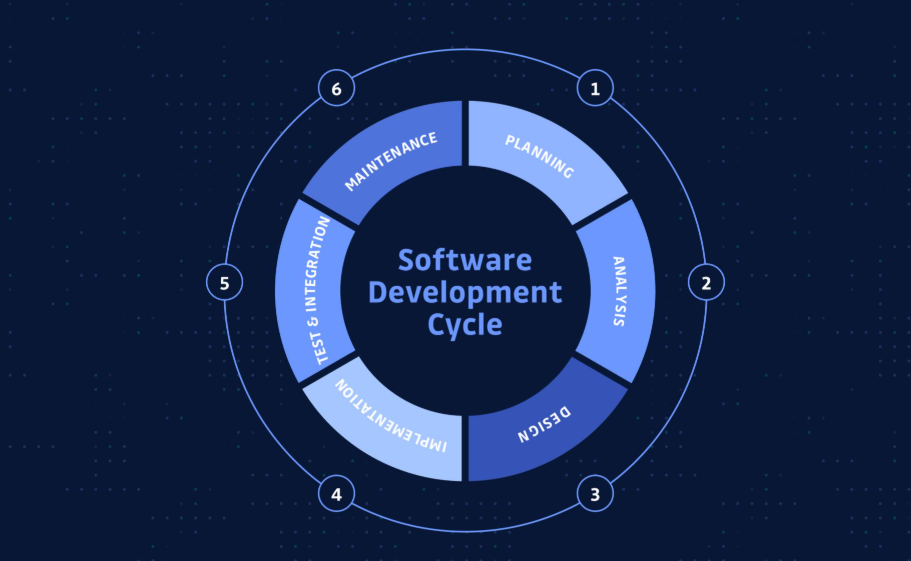
See also: The Software Development Life Cycle Explained
Automating Administrative Tasks to Improve Efficiency
The integration of AI in education not only enhances personalized learning experiences but also streamlines administrative tasks, significantly improving operational efficiency.
By automating data management and facilitating workflow optimization, educational institutions can minimize human error and reduce the time spent on repetitive tasks.
This allows educators to focus more on teaching, fostering a collaborative environment that supports both staff and student success.
Enhancing Student Engagement Through Interactive Tools
How can interactive tools transform the learning experience for students?
By integrating gamified learning elements within virtual classrooms, educators foster deeper engagement and collaboration. These tools not only stimulate motivation but also enable students to explore concepts in a dynamic manner.
As classrooms evolve, the use of interactive technologies promises to create immersive environments that empower students, enhancing both their autonomy and educational outcomes.
Addressing the Challenges of AI Implementation in Education
While the potential benefits of AI in education are significant, numerous challenges must be addressed to ensure successful implementation.
Ethical considerations surrounding bias and accessibility must be prioritized, alongside robust frameworks to protect data privacy.
Collaborative efforts among educators, technologists, and policymakers are essential to navigate these complexities, fostering an environment where AI enhances learning while safeguarding individual freedoms and rights.
Conclusion
In conclusion, the integration of AI in education not only personalizes learning experiences but also streamlines administrative processes and boosts student engagement. As educators embrace these advancements, one must ask: how can we ensure that the benefits of AI are equitably accessible to all students? By collaboratively addressing the challenges and ethical considerations, the educational landscape can harness AI’s transformative potential, paving the way for a future where learning is truly tailored to individual needs and aspirations.